.svg)


Halal, vegetarian, vegan & gluten-free: A menu guide for diverse teams
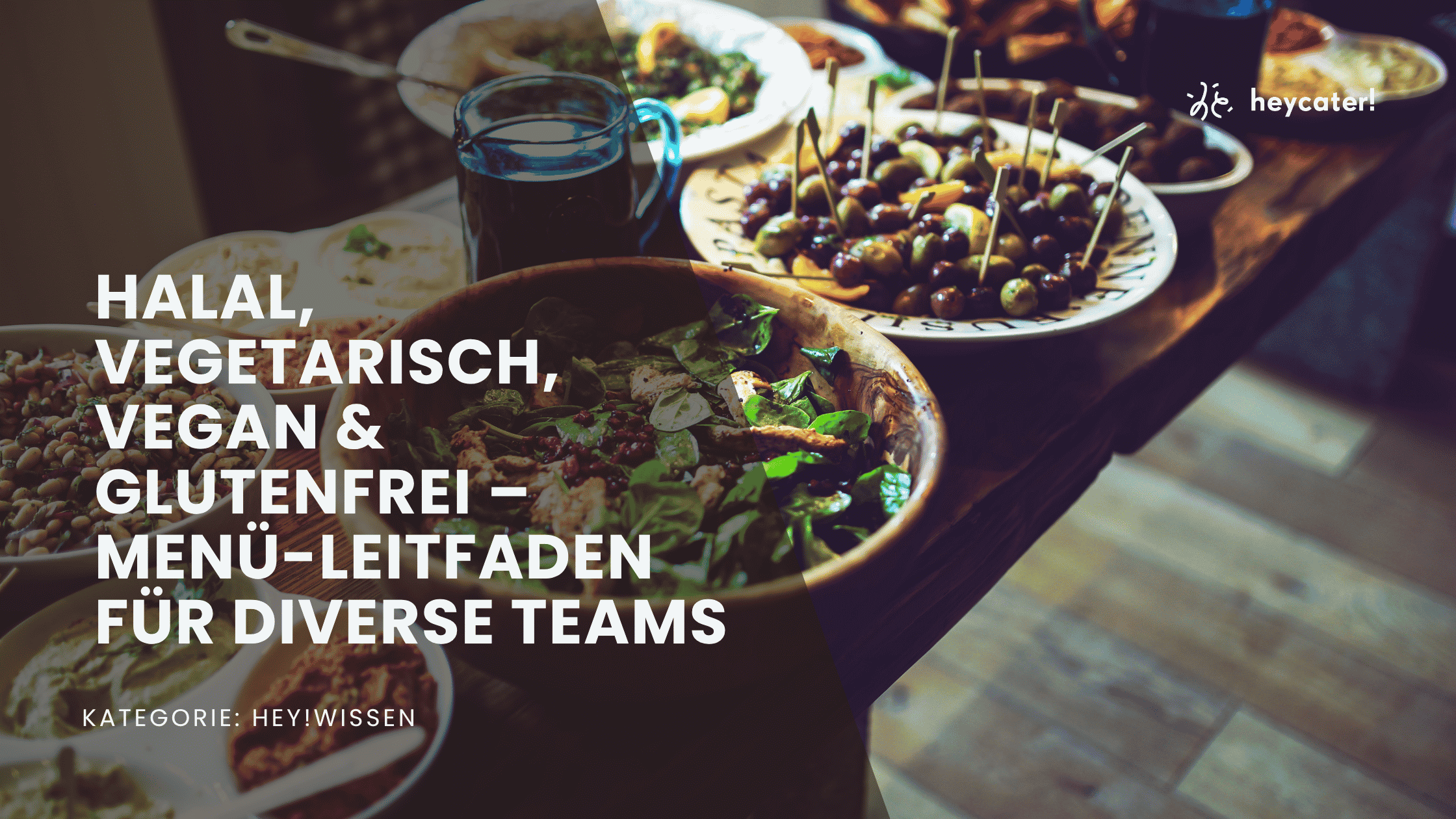

- Provides 4 sample dishes that are simultaneously halal, vegetarian, vegan, and gluten-free
- Offers 5 practical tips specifically for office managers and HR professionals on menu planning
- Recommends focusing on plant-based dishes with naturally gluten-free ingredients like rice and quinoa
How can I combine halal, vegetarian, vegan, and gluten-free options in one menu?
The short answer: Focus on plant-based dishes using naturally gluten-free ingredients like rice, quinoa, legumes, and vegetables. These dishes automatically meet all four requirements—they are halal-friendly (as they contain no pork, alcohol, or animal gelatin), vegetarian, vegan, and gluten-free.
For your company, inclusive menu planning means more than just variety on the plate. It shows respect for religious beliefs, dietary preferences, and health requirements. When your team knows that everyone can truly eat at the next meeting or company event—whether they are halal, vegetarian, vegan, or gluten-free—it strengthens their sense of belonging and fosters team culture.
What does halal-friendly mean—and where do the requirements overlap?
Halal-friendly means that food complies with Islamic dietary laws: no pork, no alcohol, and no animal gelatin.
Vegan and vegetarian dishes are almost always halal-compliant, provided they do not contain alcohol or gelatin. If you also ensure the ingredients are gluten-free—meaning you avoid wheat, barley, rye, and spelt—you create a menu that truly satisfies every requirement: halal, vegetarian, vegan, and gluten-free.
At heycater we ensure every day that our partner caterers provide inclusive, plant-based, and gluten-free menus suitable for diverse teams—so you don't have to check every ingredient list yourself.
4 example dishes that are halal, vegetarian, vegan, and gluten-free

5 practical tips for office managers and HR professionals
- Start with a team survey:
- Ask about Dietary preferences – halal, vegetarian, vegan, gluten-free – for targeted planning.
- Communicate clearly:
- Explicitly state that you require halal-friendly, vegan, and gluten-free options during the catering ordering process.
- Focus on natural ingredients:
- Vegetables, legumes, quinoa, potatoes, and rice provide a safe, versatile base.
- Avoid hidden gluten or animal products:
- Watch out for dressings containing alcohol, soy sauce with wheat, and desserts containing gelatin.
- Label menus clearly:
- Label every dish with symbols like "vegan," "halal," or "gluten-free" to ensure transparency.
Frequently asked questions about halal, vegan, and gluten-free catering
What exactly does halal-friendly mean?
Halal-friendly means: no prohibited ingredients such as pork, alcohol, or gelatin. Vegan and vegetarian dishes usually meet these requirements automatically.
Are vegan dishes automatically gluten-free?
Not always. Ensure that no gluten-containing products like soy sauce, breading, or wheat are included.
How do I know if a dish is halal, vegan, and gluten-free?
Look for clear labeling and ingredient lists. Reputable caterers like heycater provide this information transparently.
Do I need to order separately for every dietary requirement?
No, many vegan dishes featuring rice, lentils, or quinoa are also halal-friendly and gluten-free. This saves both time and money.
Bottom line: Inclusion starts with food
Inclusive menu planning isn't an extra chore; it’s a sign of respect and professionalism. When your team knows their needs are taken seriously, it strengthens trust and cohesion.
Plan your diverse office catering with heycater now and ensure everyone on your team feels welcome. With the right preparation, inclusive catering becomes the standard, not the exception.
Plan your event now
Suggested Articles



.jpg)

.jpg)


.jpg)

.png)




.jpg)







.png)





.jpg)



.png)




.jpg)
.jpg)






.jpg)


.jpg)
.jpg)
.jpg)
.jpg)

.jpg)
.jpg)

.jpg)

.jpg)

.jpg)







.jpg)



.jpg)
Ready for stress-free business catering?
.png)
.png)
.png)