.svg)



What is meant by modern corporate catering?
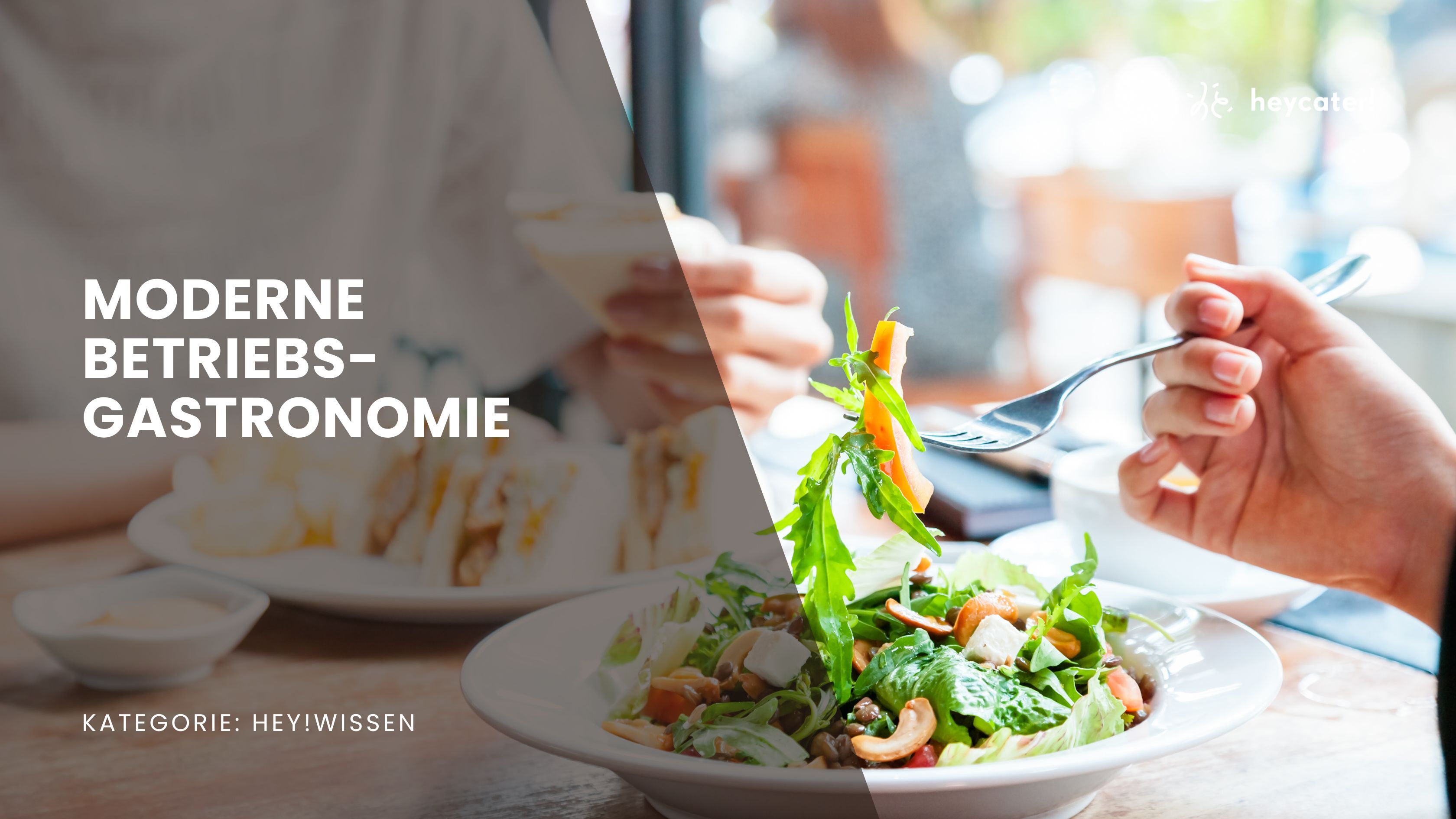

- Presents 10 modern corporate catering concepts, from pop-up restaurants to co-cooking areas
- Covers digitalization and automation as independent drivers of development
- Explicitly links modern corporate catering to the promotion of company culture
Modern corporate catering encompasses innovative concepts and flexible solutions for employee dining that adapt to changing work and dietary habits. The traditional canteen is often expanded with new service models and digital solutions to offer greater variety and flexibility. The goal of modern corporate catering is to boost employee well-being, promote healthy eating, and increase the company's appeal.
In this article, we show you the most important features and trends in modern corporate catering and introduce concepts that can provide inspiration for your company's dining offerings.
Flexibility and variety in offerings
Customized meal options: Modern corporate catering offers a wide selection of dishes to accommodate different dietary habits, including vegetarian, vegan, gluten-free, and regional options.
Modular menu design: Employees can assemble their own meals to suit their personal preferences. Salad bars, soup stations, or hot buffet areas allow for flexible food choices.
Food courts: Instead of a central canteen, there are often various food stations with different culinary focuses (e.g., Thai, Italian, regional).
Promoting health and sustainability
Healthy eating: Modern concepts prioritize balanced, nutrient-rich menus to support employee health. Food labeling for calorie or nutritional information helps facilitate this.
Sustainability: Sustainable corporate catering promotes the use of regional and seasonal ingredients, reduces food waste, and often relies on less packaging material. Companies are increasingly working with local suppliers to lower their carbon footprint.
Eliminating single-use products: More and more companies are switching to reusable solutions for dishes and cutlery or offering reusable packaging systems for to-go meals.
Digitalization and automation
Digital ordering systems: Employees can pre-order meals or reserve a seat via apps or online platforms. This reduces wait times and allows for better meal planning.
Self-service kiosks: Vending machines and smart fridges offer a selection of fresh food and drinks around the clock, which employees can access easily and flexibly. Contactless payment systems are also popular.
Data analytics: Data analytics can be used to analyze eating habits in order to better tailor the menu to employee preferences. These insights help optimize corporate catering and reduce food waste.
Integration into the work environment and flexibility
Flexible opening hours and locations: Modern corporate dining is no longer limited to traditional meal times and also offers solutions for those working from home or at off-site locations. For example, meal deliveries or mobile canteens can benefit employees.
Take-away and delivery options: Companies offer the option to take food to go or even have it delivered to home offices. Partnerships with delivery services or caterers and special work-from-home programs are part of this flexible dining strategy.
Multifunctional spaces: Many companies design their dining areas as multifunctional spaces that can also be used as meeting points, co-working spaces, or venues for events.
Promoting corporate culture
Community and interaction: Corporate dining is often used as a social hub that strengthens the sense of community and internal networking. Theme weeks, international cuisine, and food events contribute to a positive corporate culture.
Corporate branding: Through their dining offerings, companies can highlight their values—such as sustainability, regionality, or a spirit of innovation—and create a "corporate food" experience that aligns with their employer brand.
Concepts for modern corporate dining
Modern corporate dining is constantly evolving to meet the changing needs and expectations of employees. Here is an overview of some innovative concepts frequently found in today's corporate dining landscape:
Food truck
Mobile kitchens that park on company premises to prepare fresh meals.
Benefits:
- Flexibility in menu selection.
- Attractive, varied options.
- Suitable for companies without permanent canteen infrastructure.
Mobile Canteen
A type of mobile canteen with rotating locations that provides employees with hot meals and snacks.
Benefits:
- Reaches locations with smaller workforces as well.
- Minimal investment in stationary facilities.
Self-Service Concepts
Smart fridges or vending machines offering healthy, fresh food as automated points of sale.
Benefits:
- 24/7 availability.
- Minimal staffing requirements.
- Lower operating costs.
Pop-Up Restaurants
Temporary dining facilities with rotating concepts and menus.
Benefits:
- Variety through thematic focuses (e.g., sushi weeks, vegan cuisine).
- An engaging experience for employees.
On-site caterers / delivery services
Partnerships with local caterers, restaurants, or delivery services that bring food directly to the workplace.
Benefits:
- Wide variety of food options.
- No need for your own infrastructure.
Communal kitchen areas ("co-cooking")
Employees cook together with professional chefs or use a fully equipped kitchen.
Benefits:
- Promotes team spirit and interaction.
- Sustainability through the reduction of food waste.
Digitalized canteen
An app-based platform that enables meal pre-ordering, payment, and pickup.
Benefits:
- Reduces wait times.
- Better planning of food quantities.
- Transparent nutritional information.
Sustainability-focused offerings
Examples:
- Organic and regional options: focus on sustainable ingredients.
- Zero-waste concepts: Reducing packaging waste and food waste.
Benefits:
- Appeals to environmentally conscious employees.
- Enhances the company's image.
Hybrid models
A combination of traditional canteens and flexible options like food trucks, takeaway services, and snack stations.
Benefits:
- Highly adaptable.
- Meets a wide range of needs.
Experiential dining
Examples:
- Live cooking stations: Chefs prepare meals right in front of the guests.
- Theme weeks: Special culinary focuses (e.g., Mediterranean cuisine, street food).
Benefits:
- Increases the appeal of the canteen.
- Provides inspiration and variety.
Health-oriented dining
Focus on healthy, nutrient-rich dishes (e.g., bowls, superfoods, vegetarian/vegan options).
Benefits:
- Supports employee well-being.
- Can be part of a corporate health management program.
Corporate catering with heycater!
Modern corporate catering offers employees an appealing and flexible dining option that promotes both their health and satisfaction. Companies benefit from increased motivation, productivity, and employee retention, as an attractive catering service is seen as a key component of employer branding.
In summary, modern corporate catering aims to transform the company canteen or alternative concepts into a versatile, flexible, and health-conscious dining experience that meets the changing demands of today's working world.
Did you know that heycater! can support you in introducing a customized corporate catering program? From a mobile canteen to supplement or temporarily replace your existing cafeteria to the launch of an office café, we offer a variety of tailored solutions. Just get in touch—we’d be happy to provide a no-obligation consultation!
Discover food concepts



Ready for stress-free business catering?
.png)
.png)
.png)