.svg)



Catering & Food Trends for 2025 - Sustainability, Events & Individual Concepts
.jpeg)

- According to a representative 2019 Forsa survey, over 80% of respondents want to see further bans on single-use plastic
- Covers 6 trends, from New Work solutions for remote events to sustainable packaging concepts
- Alcohol-free drink alternatives are presented as an equally valid trend alongside classic event drinks like wine or cocktails
The past three years have been unusual, everyone agrees on that. Who could have predicted at the start of 2020 how the following months and years would unfold! And who would have thought how long the pandemic would stay with us, with 2022 marking the third year shaped by Covid. Given these ongoing exceptional circumstances, it's hard to make predictions. Still, some trends are emerging for us that affect both the catering industry and the events industry. Here are our catering and food trends for 2025, which directly or indirectly influence our industry:
1. New Work - solutions for remote teams and virtual events
New Work means new ways of working, an important HR topic in recent years. Globalization and digitalization require rethinking processes and structures. While work used to mostly happen on-site, with everyone gathering in the office, teams are now spread across different locations in different countries, even at larger companies, or work remotely from home. In summer 2020, according to a study by Eurofound, around 40 percent of employees in Germany worked from home. Companies that had already built structures for remote work, digitizing work and processes to the point they could be handled from anywhere with an internet connection, had an advantage. Others had to rethink and find new solutions.
Decentralizing where work happens and the physical distance between employees brings many benefits and certain savings in cost and time, but also plenty of challenges. The social environment at work becomes purely digital for remote teams and needs to be actively created in a different way than it naturally happens in an office (say, at the coffee machine, during a shared lunch break, or, not least, at team events). This calls for new concepts for togetherness and a sense of belonging, for example through virtual coffee chats, digital team events, or a home office care package for employees at home.
2. The transformation of the canteen - alternative solutions
The traditional company canteen, where the workforce gathers during lunch to choose something from the daily menu and eat with colleagues. Depending on the canteen and kitchen staff, variety can be high or low, and food quality varies too. In recent years, the canteen has had to be rethought. The pandemic, and the fact that more and more teams work remotely, call for individual concepts that are less tied to a specific place.
The canteen is transforming, moving toward mobile solutions and more flexibility. Delivery services have long been familiar in our private lives, and the mobile canteen works on a similar principle: the desired meal is selected and ordered in advance with just a few clicks. Every employee gets exactly the meal they want, no more standing in line. The selection is also significantly larger when many different caterers and menus are available to choose from. Meal plans can be arranged flexibly and individually in advance.
Regular employee catering through a mobile canteen can be ensured by joining heycater's heykantine!. Tailored individually to your needs, it makes healthy eating possible on an ongoing basis.
3. Safety and hygiene - a new awareness
If there's one thing we've learned since the pandemic, it's that hygiene concepts matter, especially in places where many people come together. Strict hygiene guidelines aren't just important for public health, but also for each individual's sense of safety. For the catering industry, this has meant rethinking presentation and packaging in recent years. The classic buffet, where everyone serves themselves, was replaced by individually packaged portions, a requirement that seems to conflict with low-waste thinking and sustainability. Balancing hygiene with environmental aspects has been a challenge, though many companies are tackling it with innovative ideas. Both classic buffets and alternative solutions are now in demand.
4. Climate change - how companies are responding to the climate crisis
Climate change doesn't just affect the environment, companies are feeling the consequences too. For example, through shortages or damage caused by weather events, or new legal regulations that create costs and affect processes. On the other hand, public pressure is growing to disclose figures and present a plan for more climate-friendly action.
According to a 2019 Deloitte study, many companies still underestimated the effects of climate change, but began implementing measures under pressure from stakeholders. Most of the steps companies took were limited to short-term measures promising financial benefits or subsidized by government funding. Improving energy efficiency ranked at the top.
Even though long-term sustainable measures are still underimplemented, a shift in thinking is underway. Companies are under more pressure than ever to take responsibility and do their part to help prevent climate catastrophe.
5. Sustainable catering - ingredients, preparation, and packaging
Most consumers have heard about the climate crisis, and many not only consider it real but a serious problem that both policymakers and consumers need to solve to avert it. This is also reflected in demand: plant-based products, low waste, and alternatives to plastic are trending. According to a forecast, the global market for alternative dairy products, for example, was estimated to reach a market volume of around 34.6 billion US dollars by 2029. In a representative Forsa survey from 2019, over 80% of respondents already said the ban on single-use plastic items didn't go far enough and that they'd like to see further bans. Both examples show: environmental awareness and sustainability are no longer topics just for "eco-warriors," but have become mainstream and matter to a large share of people.

The catering landscape isn't unaffected by this, with rising demand for climate-friendly offerings. Regional and seasonal ingredients, organic and fair trade certification of raw materials and menus, and menus that offer not just meat and fish dishes but also vegetarian and vegan alternatives.
Takeaway usually means a significant amount of packaging waste, much of it plastic. That's true for catering too, especially in times when hygiene matters even more and portions need to be individually packaged. That's why sustainable caterers are always looking for lower-plastic, better compostable packaging to reduce waste and cut down on plastic. At events, this leads to innovations like edible "packaging" for food, have you ever eaten soup out of a whole pumpkin, antipasti in a lettuce leaf, or salad in a kohlrabi shell? As an alternative to single-use packaging, heycater! has developed the climate-neutral reusable bowl, available free of charge and deposit across more than 80 German cities through our heykantine!.
6. Clean & intuitive eating - healthy enjoyment without deprivation
Healthy eating has been trending for years now. The clean eating movement shows in the many smoothies and bowls found in supermarkets, which many restaurants and cafés have added to their menus too. According to data from the German Nutrition Society (DGE), most people eat too little fruit, and especially too little vegetables, but too much meat compared to recommendations. Diets and strict meal plans and rules are often the response. But clean eating doesn't necessarily mean deprivation and strict dieting.
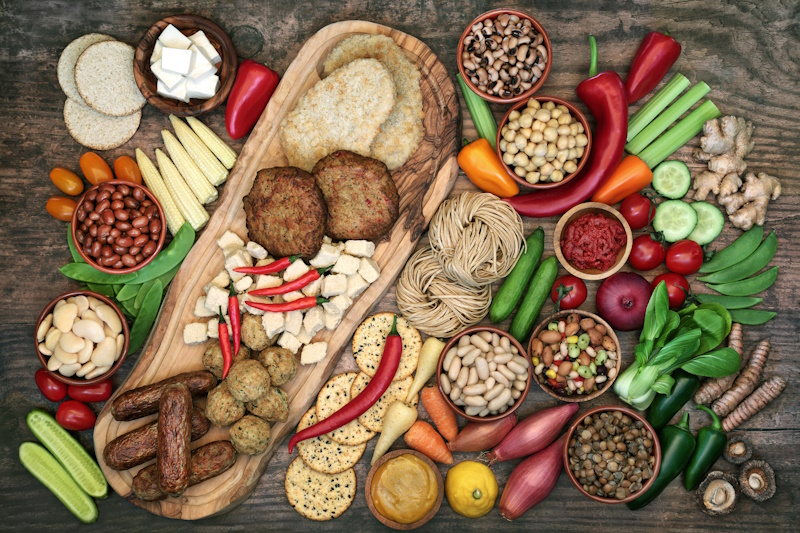
A newer movement, intuitive eating, takes a different approach: instead of banning certain products or ingredients, it's more about rediscovering your own sense of your body and listening to what it actually needs and when: when and how much does it want to eat? What does it crave? This does take some practice for people used to a lot of sugary products and fast food, but it's meant to self-regulate over time, so intuition doesn't always lead to unhealthy choices. The rule is that there are no strict rules, and that the body itself knows best what it needs. This can be supported in company catering with a broad variety of different drinks and dishes. Healthy options should make up the majority, and employees can be supported in eating cleaner, but it shouldn't become a dogma.
7. Critical consumerism - more transparency around sourcing, ingredients, and origin
The more food scandals and poor working and living conditions are covered in the media, the more closely consumers look before buying something. That's especially true for food. According to the 2020 nutrition report from the German Federal Ministry of Food and Agriculture, about half of respondents pay attention to labels like organic certification, fair trade certification, sustainable fishing labels, and animal welfare labels. Transparency is trending, giving customers the power to decide what kind of products and companies they want to support. Whether that's the cleanest possible ingredient list without additives, regionality and seasonality, or a company's political positioning, consumers have access to a wealth of information.
And most importantly, they have a choice, for or against specific products, manufacturers, and providers. At the supermarket, there's often a choice between many different companies for the same product, and in the catering market too, there are numerous providers in every larger city. That means companies who are transparent about their principles, who take a clear position, who stand for a certain lifestyle or specific values, can gain an advantage. They stand out from competitors who shy away from taking a position, or who are dealing with bad press due to thoughtless marketing moves or scandals. The era of impersonal, characterless companies is over, brands are increasingly expected to take a stand.
8. 0% is trending - alcohol-free drinks as an equal choice
Do alcoholic drinks always have to be part of every event and festive meal? Is a gala dinner without wine unimaginable, is the corporate barbecue only complete with beer and summery cocktails, is a little buzz from mulled wine a fixed part of the holiday party program? A good wine or a versatile cocktail menu is a real asset for an event, but it can also work differently.
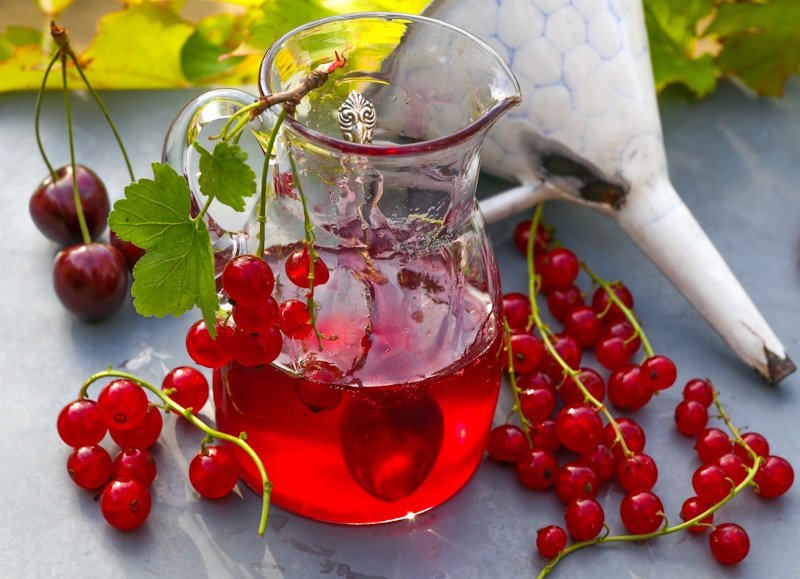
What used to be dismissed as joyless is increasingly trending today: alcohol-free enjoyment that doesn't have to take a back seat to the drinks with proof! Healthy smoothies, fruity, fresh alcohol-free punches and cocktails, or refined alcohol-free wines and beers are a real alternative, and not just for teetotalers. It's not about dogma, but about openness to unusual solutions and new trends.
One doesn't have to exclude the other, either, so why not plan for both and let your team and guests choose. Our mobile cocktail bars and professional bar staff are keeping up with the trend and are well prepared for alcohol-free options too. A wide selection of high-proof, low-proof, and completely alcohol-free drinks is available. That way there's a fitting solution for every guest, and no one has to settle for water or the usual soft drinks while everyone else enjoys exciting creations.
9. The return of events - the growing importance of event catering
After nearly three years of the pandemic and home office for many companies, anticipation for in-person gatherings is high. With eased restrictions, 2024 will see a return of more events. Virtual offerings remain an important part of the mix, but wherever possible, many people wish to see their team away from the screen again. For the catering industry, this means event catering is gaining importance again, though certainly with higher requirements for hygiene and safety concepts. And to include remote team members who can't be there in person, hybrid catering is an important topic too.
10. Veganizing recipes & vegan catering
One food trend for 2025 is veganizing recipes. Given that the majority of German, Swiss, and Austrian cuisine is based on animal-derived foods, classic and traditional dishes are being "veganized."
The food industry has already responded to this trend, and it can be implemented fairly easily at home or in catering too. This doesn't require relying on high-tech substitute products at all, natural ingredients like mushrooms, herbs, legumes, algae, applesauce, chickpea water, and many others can adapt the flavor instead.
Thanks to creative minds, many traditional dishes now have a vegan version. In many cases, this isn't just equally delicious, but often surpasses the original thanks to its complexity. Vegan and vegetarian dishes are also becoming increasingly popular in catering.
11. Superfood: sea moss or yuzu as a food trend

Superfoods are becoming increasingly popular, and the various options are genuinely appealing in terms of flavor. Sea moss is a good example, also known as Irish moss, and has been known as a medicinal plant in some regions for centuries. Packed with valuable nutrients like vitamin B2, B12, A, C, E, calcium, magnesium, and zinc, sea moss gives your metabolism a real boost.
Described as a mix of lemon, lime, and mandarin, yuzu, a Japanese citrus fruit, is on the rise. Compared to classic citrus fruits, yuzu contains three times the vitamin C and plenty of antioxidants. As a dessert, ice cream, or tea, this fruit is a genuine treat for the immune system. In catering, this is definitely a special highlight.
12. Zero waste for food
Germany's "throwaway society" needs to be tackled sensibly. That's why many consumers deliberately choose reduced-price food at supermarkets, retail outlets, and restaurants that, by regulation, must be discarded the following day. Less food waste is a valuable contribution to the 2025 food trends.
13. DIY catering kits for your own event
As more and more people work from home, demand has grown for easy-to-use DIY options that let you organize a party or event without professional help! These ready-made packages typically include everything you need, tools for preparing food like pans and pot holders, dishes like plates and cups, so you can host your guests even better than before.
14. Catering as an event - more than just food and drinks
What comes to mind when you think of catering? A lavish buffet, a fixed menu, or flying finger food? We mainly associate food and drink with catering, but it can be so much more! Excellent cuisine and delicious dishes are a highlight, no question. But what if food gets combined with an event? A street food market for your summer party, a small mobile holiday market for your holiday party, live cooking for your corporate event, there are countless ways to turn catering into a genuine experience. More and more companies are choosing something special to offer their employees and guests. And by the way, this works remotely or in a home office setting too, with a virtual event that combines an experience with delicious food!
Conclusion: high standards and expectations for food and catering
Consumers are demanding, the world of work is in upheaval, though some degree of normality will likely return for in-person events too. Requirements around safety, sustainability, and individual solutions call for flexibility, innovative concepts, and more transparency. Companies with agile structures have an advantage over their competitors and can respond flexibly to trends and changing conditions. Our trends give you a small preview of what topics matter in 2025, and what companies should prepare for.
Request Catering Now



Ready for stress-free business catering?
.png)
.png)
.png)